

Creative Cities for Culture of Peace: A New UNESCO Concept
Creative Cities
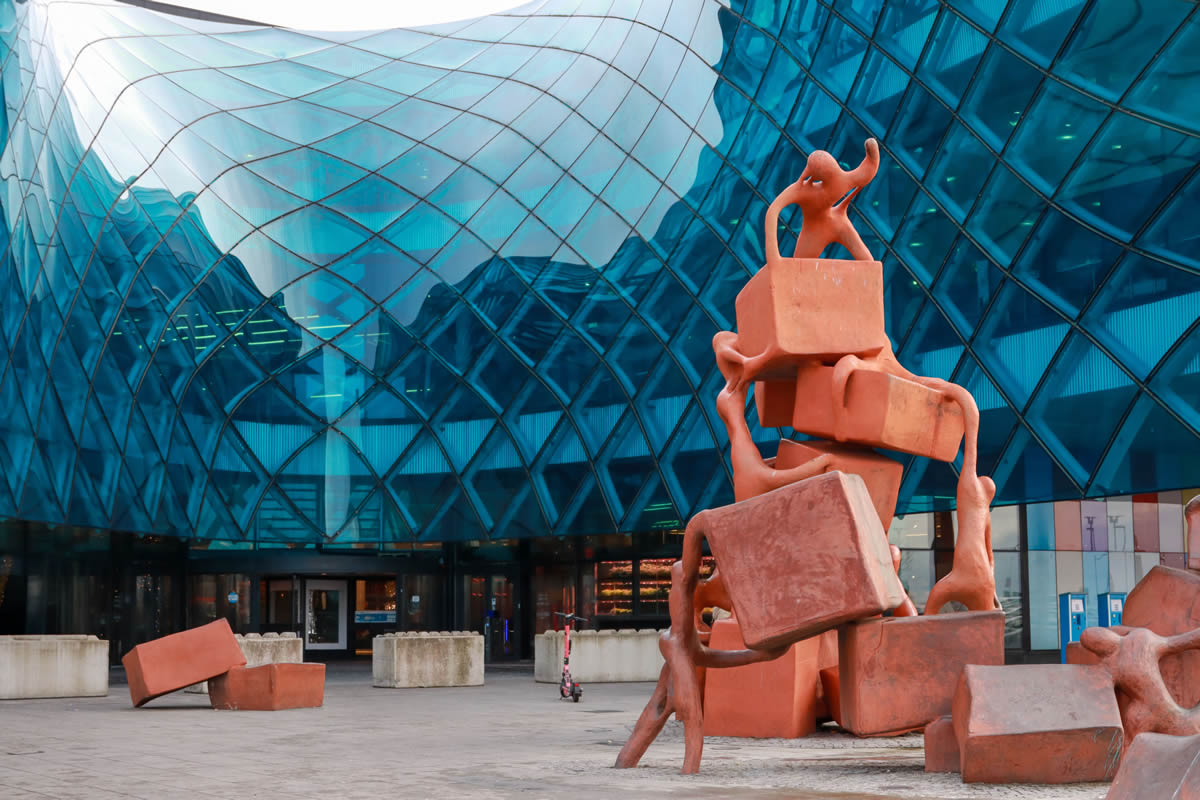
Contemporary sculpture and glass architecture facade in Malmö, Sweden's city center | photo by Efrem Efre
A New Theme for the UNESCO Creative Cities Network
Creative cities already use culture and creativity to drive urban development. UNESCO’s Creative Cities Network covers eight creative fields. These include Design, Music, Literature, Gastronomy, and Architecture. Culture of Peace is not yet one of them.
Culture of Peace is an existing UNESCO programme, however. It also sits at the heart of RYB’s own Culture of Peace work. The UN General Assembly adopted its Declaration and Programme of Action in 1999. It defines Culture of Peace as values and behaviors that reject violence and resolve conflict through dialogue.
RYB proposes a new step: bring this programme into the Creative Cities Network. A Creative Cities for Culture of Peace theme would let cities use arts and creative industries as tools for peacebuilding. This is currently a research concept. We will publish further details as the idea develops.
Why Amsterdam Could Lead This Initiative
Amsterdam could become the first city to hold this designation. From there, it could lead a global network of cities. This network would use creativity to build peace, not just to drive growth.
The initiative would link existing city networks together. Amsterdam could collaborate with current cities in the UNESCO Creative Cities Network. It could also partner with other networks, such as UCLG, URBACT, and International Cities of Peace. Together, these cities could develop joint projects, cultural exchanges, and shared policy frameworks. Each of these would place culture at the heart of peacebuilding.

Amsterdam’s Diversity and Internationalism
Amsterdam is home to residents from more than 180 nationalities. This makes it one of the most diverse cities in the world. The city also has a long history of tolerance, freedom, and open dialogue. These values sit at the core of any culture of peace.
A Thriving Creative Sector
Amsterdam hosts a strong hub for design, art, media, literature, and music. These sectors could be mobilized directly for peacebuilding work. The city also has a dense ecosystem of NGOs and civic groups. Many of these already work on human rights and peace.
Existing UNESCO and Diplomatic Ties
Amsterdam already hosts several UNESCO-related projects. These span heritage conservation, intercultural exchange, and creative industries. The city has also played an active role in European cultural cooperation. This gives it a strong foundation for global creative diplomacy.
What Happens Next
This concept remains at an early, exploratory stage. RYB is researching how a Culture of Peace theme could fit within the UNESCO Creative Cities Network. Future articles will explore next steps, potential partners, and a fuller policy case.
Sources
- United Nations, Declaration and Programme of Action on a Culture of Peace (1999) — un.org/en/genocideprevention/documents/atrocity-crimes/Doc.3_1999%20Declaration%20on%20a%20Culture%20of%20Peace.pdf
- UNESCO, Culture of Peace — unesco.org/en/query-list/c/culture-peace
- UNESCO, “On World Cities Day 2025, the UNESCO Creative Cities Network welcomes 58 new member cities” — unesco.org/en/articles/world-cities-day-2025-unesco-creative-cities-network-welcomes-58-new-member-cities
- UNESCO Creative Cities Network — unesco.org/en/tags/creative-cities