

Creative Cities: How Culture Builds Peace and Sustainable Growth
Creative Cities
UN & UNESCO Programs
Creative Cities: Building Peace Through Cultural Innovation
Creative cities put culture at the center of urban life. They treat arts and creativity as engines for growth. As a result, these cities become more liveable, resilient, and connected to the world.
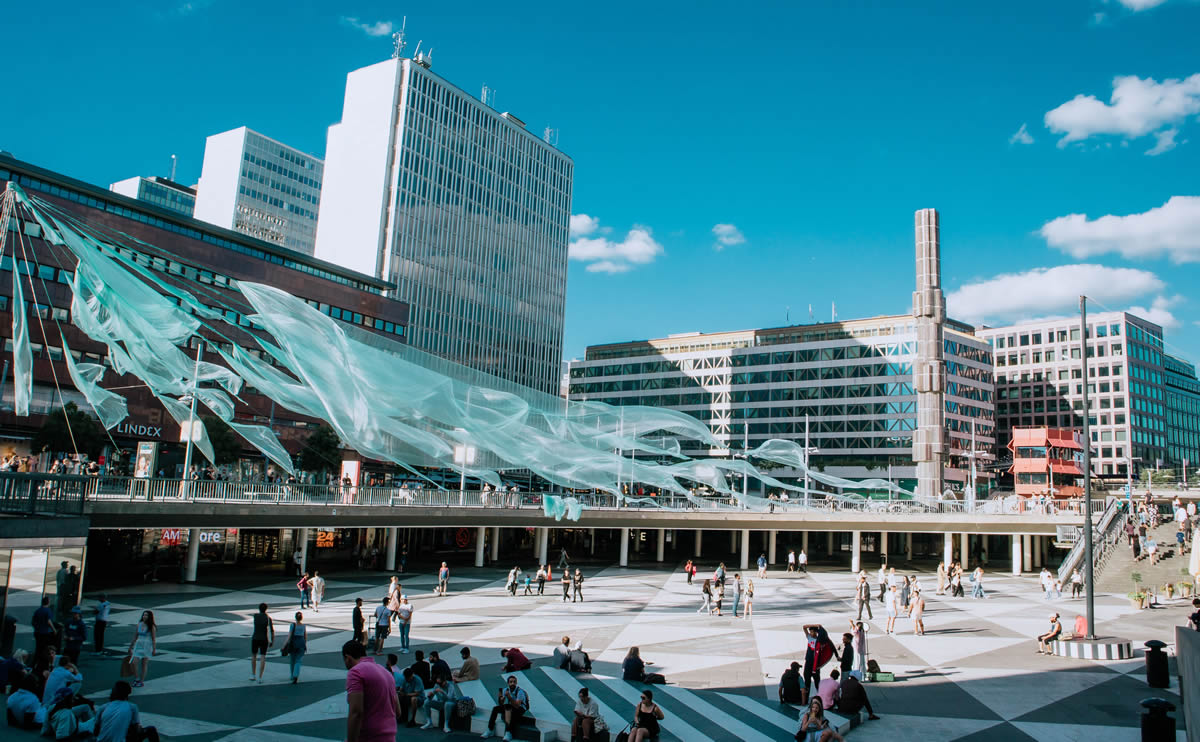
A vibrant city square with a flowing art installation and people enjoying the sunny day, Stockholm, Sweden - photo by Pham Ngoc Anh
What Are Creative Cities?
A creative city uses its cultural and creative industries to shape development. It weaves arts, heritage, and innovation into economic planning. Consequently, creativity becomes part of daily urban policy, not an afterthought.
The idea took hold in the early 2000s. Urban planners saw that culture could revive struggling neighborhoods. Since then, cities worldwide have used creative strategies to attract talent, tourism, and investment.
Cities and Global Peacebuilding
Cities now sit at the center of peacebuilding. More than half the world’s population lives in urban areas. Because of this, cities have become key spaces for preventing conflict and building understanding.
Urban diplomacy is growing fast. Cities increasingly connect directly with international partners. This lets them share knowledge, resources, and solutions without waiting on national governments. Meanwhile, conflict has moved from battlefields into cities themselves. This shift makes local peacebuilding more urgent than ever.
Culture builds bridges between communities. Arts and cultural exchange create mutual understanding. They break down barriers between groups living side by side. Cultural programs also target the root causes of urban tension. They offer safe spaces for dialogue, plus economic opportunities that ease inequality.
Major International City Networks
Several global networks help cities pursue these goals together. They support cooperation, shared learning, and joint advocacy. Each network below focuses on a distinct piece of the puzzle. Explore each network’s dedicated page to learn more.
UNESCO Creative Cities Network
The UCCN is the world’s leading creative cities network. As of late 2025, it counts 408 cities across more than 100 countries. Cities join across eight creative fields: Crafts and Folk Art, Design, Film, Gastronomy, Literature, Media Arts, Music, and — new since 2025 — Architecture.
World Cities Culture Forum
This forum connects major cultural cities worldwide. City leaders and cultural professionals share research on culture’s economic and social impact. It also pushes for stronger cultural investment across member cities.
UN-Habitat
UN-Habitat supports sustainable urban development globally. It offers technical assistance on housing, infrastructure, and planning. The agency also champions the New Urban Agenda and helps cities advance SDG 11.
UCLG
United Cities and Local Governments represents local governments worldwide. It advocates for decentralization and stronger local democracy. Urban peacebuilding features prominently at UCLG events, where cities exchange strategies for reducing violence.
URBACT
URBACT helps European cities tackle shared urban challenges together. Cities join thematic networks to test and develop new solutions. The program also provides capacity building and technical support.
International Cities of Peace
This network connects cities committed to peacebuilding worldwide. Members share strategies for building peaceful, resilient communities. It also supports sister-city relationships focused specifically on peace.
Benefits of Creative City Networks
Joining a creative city network brings real advantages. Cities gain access to international best practices. They also unlock new opportunities through collaborative learning.
Knowledge exchange. Networks help cities share what works. Peer learning speeds up development and cuts costs. Cities avoid repeating others’ mistakes, and instead adapt proven models locally.
Economic development. Creative networks draw investment and talent. They raise a city’s international profile. In turn, cultural tourism and creative industries flourish, and cities unlock new funding and market opportunities.
Social cohesion. Cultural networks strengthen community bonds. They open space for intercultural dialogue. Additionally, they give marginalized communities a voice and build shared civic pride.
Challenges and Solutions
Creative cities still face real obstacles. Limited funding constrains programming. Political change can also disrupt long-term cultural strategy.
Funding constraints. Many cities lack sufficient cultural budgets, since public spending often favors basic services first. However, new financing models are emerging. Public-private partnerships, cultural taxes, and international grants all provide additional revenue.
Measuring impact. Quantifying creativity’s benefits remains difficult. Traditional economic metrics miss culture’s broader effects. Cities are therefore building new frameworks — including quality-of-life indicators and longitudinal studies — to track results over time.
Inclusion and equity. Creative development can drive gentrification. Rising costs risk displacing existing communities. To prevent this, cities need strong community engagement, affordable housing policy, and programs that serve every population group.
Looking Forward
Creative cities will only grow more important. Urbanization keeps accelerating worldwide, so cities must harness creativity to meet emerging challenges.
Climate change demands innovative urban solutions, and creative cities are testing new models for resilience. At the same time, technology is reshaping creative industries: smart-city initiatives merge creativity with digital innovation, and virtual collaboration widens the reach of international networks.
Post-pandemic recovery has also underlined culture’s value. Creative industries drive economic regeneration and help rebuild social bonds. Going forward, success will depend on inclusive, sustainable strategies that benefit every resident while preserving each city’s cultural identity.
International cooperation remains essential. Global challenges call for collective urban responses — and creative city networks provide the platforms to deliver them.
Sources
- UNESCO, “On World Cities Day 2025, the UNESCO Creative Cities Network welcomes 58 new member cities” — unesco.org/en/articles/world-cities-day-2025-unesco-creative-cities-network-welcomes-58-new-member-cities
- UNESCO, “58 cities join UNESCO Creative Cities Network” — unesco.org/en/articles/58-cities-join-unesco-creative-cities-network
- UNESCO Creative Cities Network — unesco.org/en/tags/creative-cities