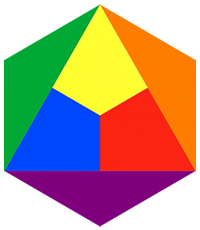

The Red Yellow Blue Silk Road: A River of Knowledge and the Cosmology of Peace
The Red Yellow Blue Silk Road is a global research project and touring art exhibition mapping how unrelated civilizations independently converged on the same primary palette to record human history, organize geometric systems, and structure cosmic order. Expanding far beyond ancient textiles and natural dyes, this cross-disciplinary initiative investigates the shared material and spiritual lineages found within imperial porcelain, sacred palm-leaf manuscripts, historic pottery, and radical modern geometric grids. By decoding this universal cultural vocabulary, our project uncovers an overarching cosmology of peace. It charts how diverse societies historically aligned foundational colours to establish cross-border safety systems, transform information exchange, and prove that peace is a permanent law of universal harmony.
If human DNA carries the code for life itself, red, yellow, and blue might be described as something like a shared code for how humans build meaning. This project traces that code across history, and connects it to UNESCO’s own Sharing Humanity campaign, built around what already connects people across difference.
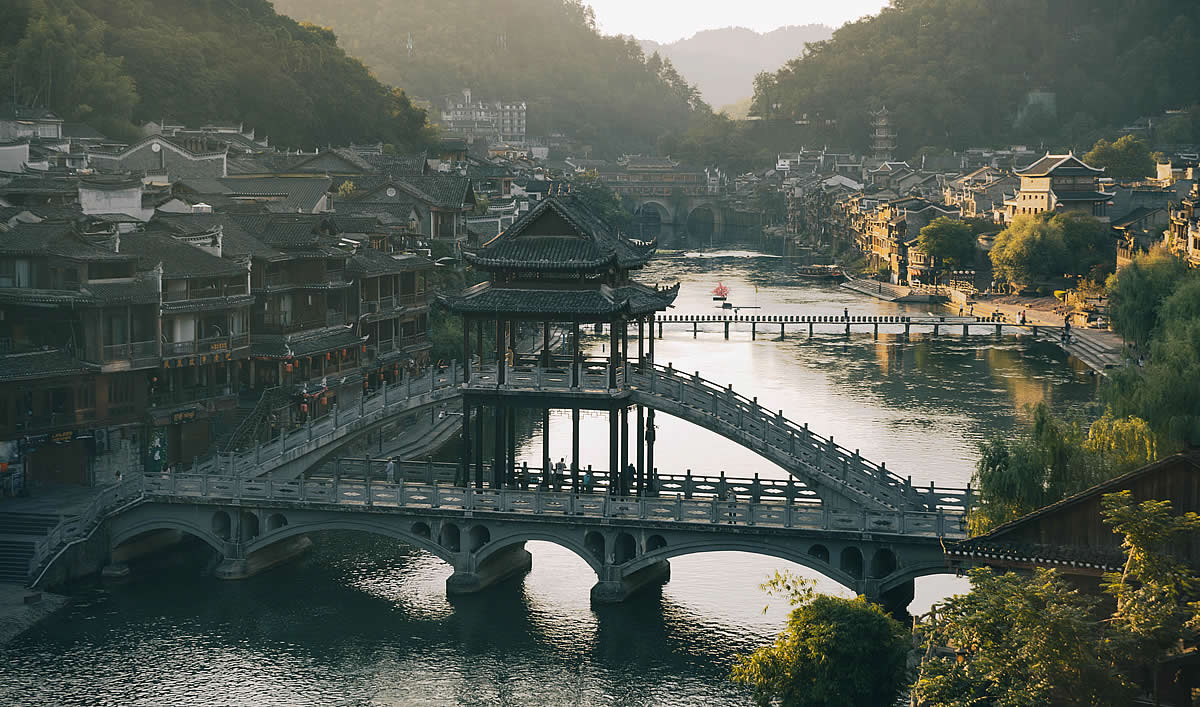
A serene sunset view over Fenghuang Ancient Town's iconic bridge and river scene, Hunan Province, China — photo PhanTran
Silk Road
The Core Research Question
Long before red, yellow, and blue defined modern art movements, they existed as a shared human inheritance. Our research investigates why structurally diverse and unrelated civilizations independently converged on these exact three foundational colours to record their histories, organize advanced geometric frameworks, and structure cosmic order.
- Material Identity and Convergence: Ancient communities systematically utilized identical local raw elements—such as madder root, weld, and fermented indigo for textiles, alongside cobalt minerals for ceramics and arsenic-sulfide orpiment for sacred ink—to anchor their visual cultures.
- Systemic and Symbolic Language: This primary triad evolved far beyond practical dyes or decorative preferences to serve as an authoritative, overarching code representing elite social status, deep-rooted spiritual hierarchies, architectural laws, and divine protection across centuries of cross-border exchange.
- Structural and Cosmic Order: From imperial Chinese porcelain and sacred Nepalese palm-leaf manuscripts to historic Anatolian pottery and radical modern geometric grids, these foundational colours were systematically aligned to model universal harmony and organize complex cosmological safety systems.
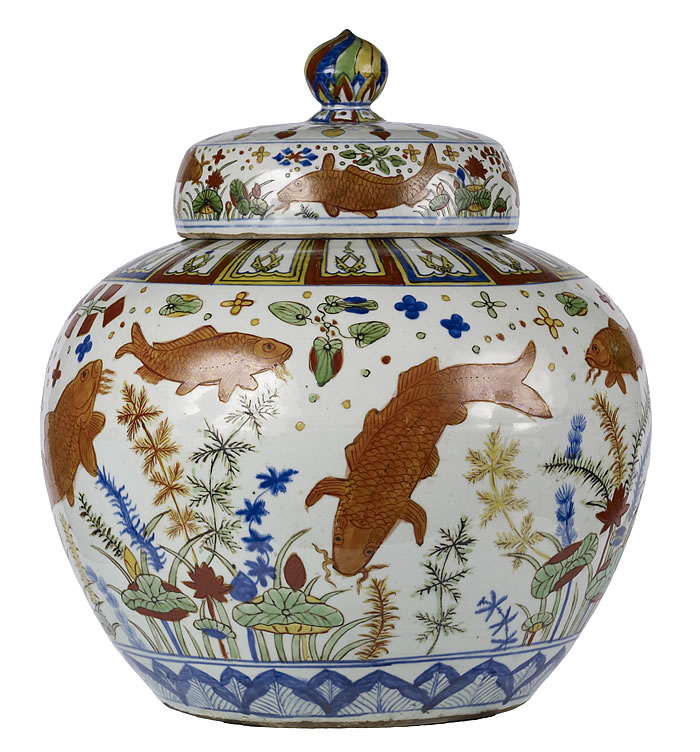
The most famous Chinese Wuse (five-color) artwork prominently featuring red, yellow, and blue is the Ming Dynasty Jiajing Wucai Fish Jar with Cover (明嘉靖五彩鱼藻纹盖罐). Crafted in the 16th century during the reign of Emperor Jiajing, these imperial masterpieces are universally celebrated as the pinnacle of Wucai (five-colour) porcelain.
Exploring the Global Threads
We map the history, dye sources, and cultural impact of these primary colours across distinct, interconnected regions. Explore our detailed archives:- The Silk Road in China: Wuse Five Colours Cosmology
Explore the Silk Road in China and its 3,000-year Wuse five-colours cosmology. See how red, yellow, and blue-green shaped art, silk weaving, and trade. - The Silk Road in Nepal: Sacred Painting Heritage
Explore Nepal on the Red Yellow Blue Silk Road. Discover how the primary colours influenced 11th-century palm-leaf manuscripts and traditional Paubha art. - The Persian Silk Road: Ancient Carpet Sourcing
Explore the historical textile heritage of Iran on the Red Yellow Blue Silk Road. Discover the origins of Persian carpet weaving, natural dyes, and cultural unity. - The Silk Road in Anatolia (Türkiye): Weaving the Primary Palette
Explore the Silk Road in Anatolia (Türkiye). Discover how the primary colours shaped nomadic textiles, Iznik tiles, and the Dragon and Phoenix carpet. - The Silk Road in Bulgaria: Folk Embroidery & Weaving
Explore the textile heritage of Bulgaria on the Red Yellow Blue Silk Road. Learn about Chiprovtsi carpets, regional folk embroidery, and natural dyes. - The Dutch Silk Road: Historical Textile Trade
Explore the textile heritage of the Netherlands on the Red Yellow Blue Silk Road. Learn about Amsterdam’s trade history, natural dyes, and cultural unity.- De Stijl & Mondrian: Silk Road Primary Colours
See how the Red Yellow Blue Silk Road project connects Piet Mondrian’s De Stijl palette of red, yellow, and blue to ancient Chinese colour cosmology.
- De Stijl & Mondrian: Silk Road Primary Colours
- The Silk Road in Spain: Primary Colours in Art & Trade
Discover how the Silk Road brought red, yellow, and blue to Spain — from Moorish pottery and carpets to Valencia’s silk trade and royal heraldry. - Queen of Sheba & the Silk Road: Red, Yellow, Blue
Discover how the Queen of Sheba’s ancient realm connected the Incense and Silk Roads. Explore the spiritual power of red, yellow, and blue in art from Yemen and Ethiopia. - Slavery and Caste Systems of the Silk Road Trade Network
Discover the history of slavery, human trafficking, and hereditary caste systems that powered commerce along the ancient Silk Road. - The New Silk Road: Transforming Global Trade Infrastructure
Explore the New Silk Road (Belt and Road Initiative), its major corridors (Northern, Middle, Polar, Iran Rail), economic goals, and how geopolitics reshapes global trade data.
Joint Research – Digital Archives & Touring Exhibitions
The initiative operates through two key pillars:
- Open Archive: A living, digital repository created by global contributions from researchers and institutions.
- Touring Exhibition & Event Structure: A physical, traveling global program structured under the overarching theme The Cosmology of Peace. This master framework scales our research from a universal point of view, exploring the historical, cosmic, and structural origins of human harmony without boundaries.
To host this global audience, each touring destination features a unified, multi-module event ecosystem:
- The Master Theme (The Cosmology of a Culture of Peace): An expansive universal umbrella framework tracing how human civilizations historically aligned colour, geometry, and cosmic order to build cross-border safety systems.
- The Traveling Art Gallery (The Red Yellow Blue Silk Road): The physical exhibition module showcasing historical primary textile artifacts, natural dye lineages, and contemporary artistic interpretations of our core colour triad.
- The Interactive Public Forum (The Agora of Knowledge): A physical meeting pavilion and salon space built into the heart of the exhibition layout. It serves as an open, fluid community space, where international scholars, local artisans, and visitors meet freely to exchange oral histories, engage in creative masterclasses, and collaborate on future actions for peace.
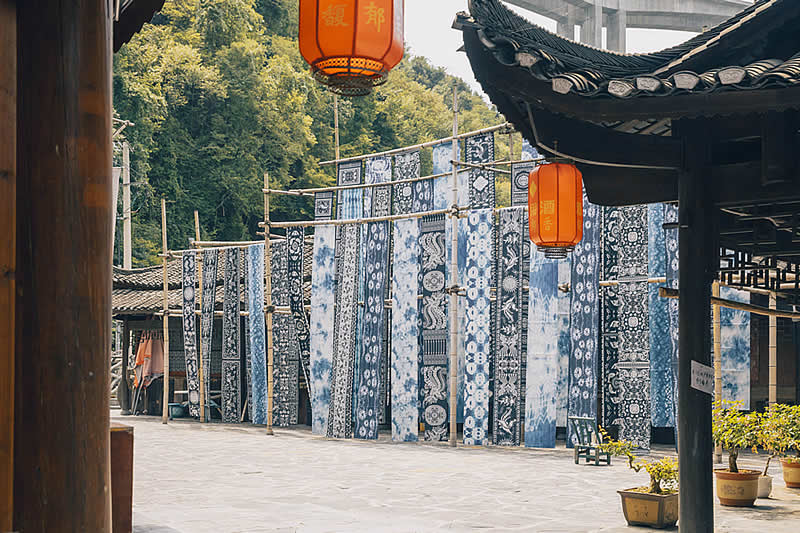
Colourful blue and white textiles drying outdoors in a traditional Chinese market — photo PhanTran
Get Involved with the Red Yellow Blue Silk Road
We invite researchers, curators, and contemporary artists, designers and creatives to contribute to this global, evolving project.
Contact Our Research Team to join our efforts.