
Millennium Development Goals vs Culture of Peace — What's the Difference?
Two United Nations frameworks appeared within a year of each other. Both had eight main points. Both aimed to reshape the world by a deadline. So why did one become a household name, while the other stayed mostly unknown?
The answer says a lot about how the world once separated material needs from cultural ones. It also explains why that separation is now being questioned.
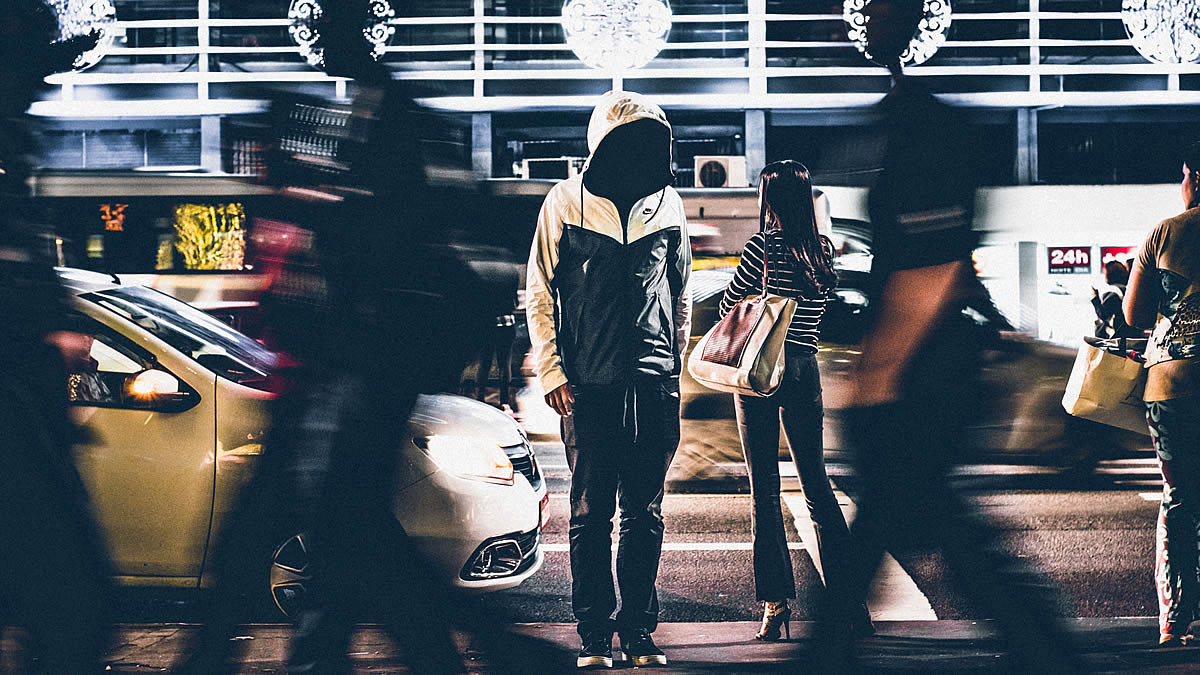
Dynamic night street scene - photo Kaique Rocha
What the Millennium Development Goals Set Out to Do
World leaders adopted the Millennium Declaration in September 2000. It set out eight Millennium Development Goals, or MDGs. Each goal targeted a basic survival need. Countries pledged to cut extreme poverty and hunger. They aimed to achieve universal primary education. They set targets for gender equality, child health, and maternal health. They committed to fighting HIV/AIDS and malaria. They promised environmental sustainability and a global partnership for development.
Together, these eight goals described a floor. Below that floor, survival itself is at risk. The MDGs asked one clear question of every country: are people’s most basic needs being met?
What Culture of Peace Set Out to Do
A year earlier, in September 1999, the UN General Assembly adopted a different framework. Following a proposal from UNESCO, it approved the Declaration and Programme of Action on a Culture of Peace. This document also named eight action areas. But its focus sat higher up.
Culture of Peace calls for education that builds peace, not just literacy. It calls for democratic participation, not just stable government. It calls for tolerance, solidarity, and the free flow of information. It closes with a direct commitment to international peace and security. Sustainable economic and social development appears here too, linking the two frameworks even before either one existed on its own.
Red and Yellow: Two Stages of Development
Line the two lists up, and a pattern appears. The MDGs target material survival: food, health, basic schooling. Culture of Peace targets something that comes after survival: how people relate to each other, and to power itself.
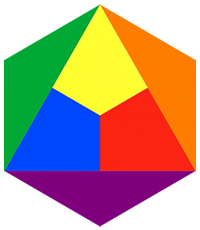
At RYB, we read this as two stages on the same path. The MDGs represent Red — the material basics every society needs first. Culture of Peace represents Yellow — the social and cultural development that follows. This isn’t just a metaphor. The Sustainable Development Report itself grades every country’s progress on a red-orange-yellow-green scale, moving from major challenges toward goals achieved. Red comes first. Yellow comes next. Our own palette traces back to the De Stijl movement, where red, yellow, and blue once symbolized universal peace and harmony. Here, that same color story maps onto real development stages.
Where SDG 18 Fits In
In 2015, the UN replaced the MDGs with 17 Sustainable Development Goals, due by 2030. Culture never received a goal of its own. Ministers of Culture have been trying to change that ever since.
At MONDIACULT 2022 in Mexico City, 150 countries adopted a declaration naming culture a “global public good.” They called for it to become a standalone goal after 2030. At MONDIACULT 2025 in Barcelona, ministers returned to the question, alongside a parallel civil society gathering called Agora Cívica. That civil society declaration put it starkly: “Without Culture there is no Peace, no Democracy and no Sustainability.”
Neither MONDIACULT meeting produced a binding decision. Both produced a declaration of intent. The real next milestone is the 2027 UN SDG Summit, where a Culture goal, often called SDG 18, may finally get a formal vote. Nothing is guaranteed yet. But the direction of travel is clear.
Culture of Peace, Meanwhile, Already Exists
Here’s what makes this story different from most UN policy debates. Culture of Peace isn’t waiting for SDG 18 to begin. It has operated since 1999, run day to day by a small UNESCO unit, and supported by thousands of civil society groups worldwide. If SDG 18 passes in 2027, Culture of Peace won’t be created from scratch. It will finally get the budget line its ideals have long been missing.
It’s worth noting that the UN already has SDG 16, Peace, Justice and Strong Institutions. SDG 16 works through law, courts, and government systems. A future Culture goal would work differently: through identity, dialogue, heritage, and the creative economy. One builds peace through institutions. The other builds it through shared meaning. Both, ideally, work together.
Why RYB Tracks Both
A Culture of Peace was never only about ending conflict. It’s also about the deeper work every society does once its basic needs are met: building trust, protecting identity, and creating room for dialogue. RYB follows Culture of Peace as a living idea, not a finished checklist. We carry its themes into festivals, art exhibitions, and future fashion shows, treating Culture of Peace as something people practice, not just something governments sign.
The MDGs closed their chapter in 2015. Culture of Peace, older and still unfinished, is only now approaching the moment it may finally get its own seat at the table.
Further Reading
- UN Declaration and Programme of Action on a Culture of Peace (1999)
- UNESCO — Mainstreaming the Culture of Peace
- United Nations — Millennium Development Goals
- United Nations — Sustainable Development Goals
- Creatives Unite — MONDIACULT 2025 Declaration for Culture as an SDG
- United Nations — SDG 16: Peace, Justice and Strong Institutions