

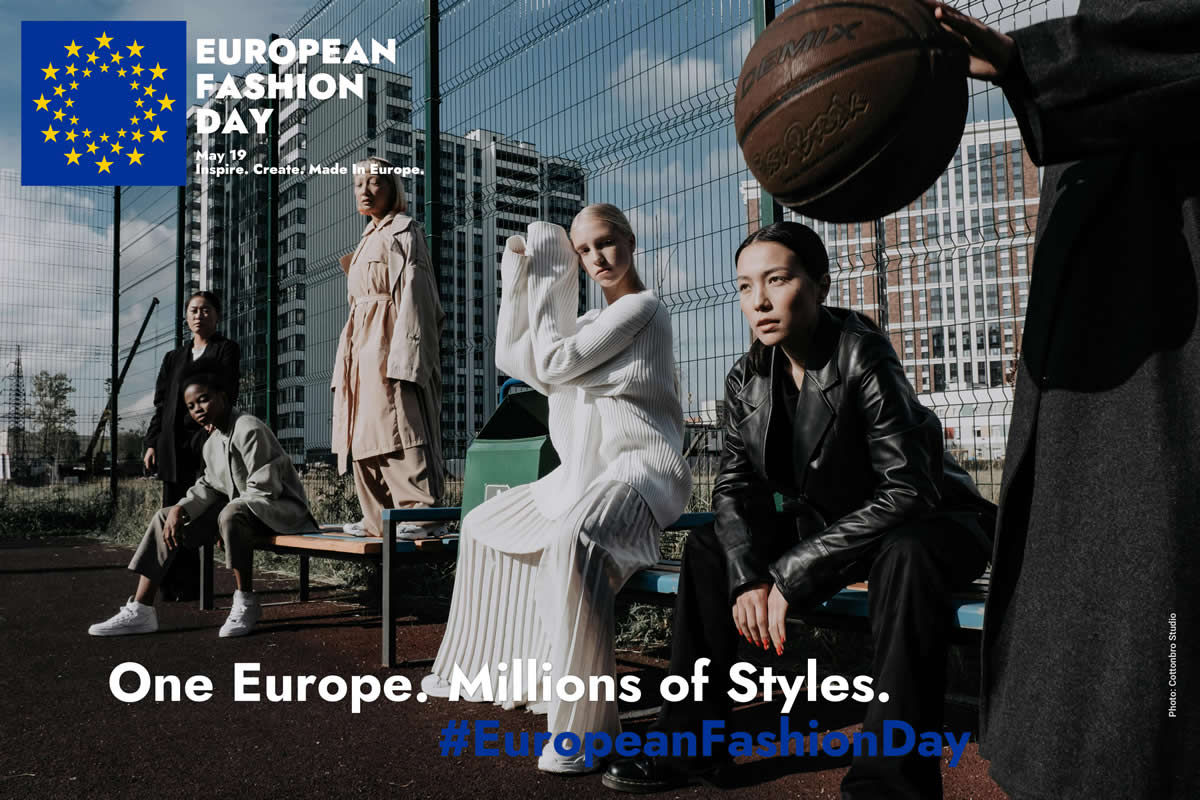
European Fashion Council — European Fashion Day: From the Runway to the World Stage
Cultural and Creative Industries: Turning Culture Into Value
UN & UNESCO Programs
Culture Topics
What Are Cultural and Creative Industries?
Picture a fashion show where digital art meets traditional craft. Or a film made by artists collaborating across continents. This is the world of Cultural and Creative Industries. They turn ideas into economic value while celebrating human expression.
The sector sits at an exciting crossroads. Artistic vision meets business skill here. Technology expands creative potential. Culture shapes economic opportunity. Together, these forces make it one of the world’s fastest-growing sectors.
Cultural vs. Creative: Two Related Terms
The terms “cultural industries” and “creative industries” often appear together. However, they describe different parts of the same ecosystem.
Cultural industries focus on heritage and traditional forms of creation. Museums preserving artifacts fit this category. So do theaters performing classical works. These industries produce goods with strong symbolic and cultural value.
Creative industries take a broader view. They center on innovation and intellectual property. Design studios, advertising agencies, and game developers all belong here. They generate jobs and profit through original ideas.
In practice, the two overlap constantly. A fashion designer draws on cultural heritage, then creates commercial products for global markets. This blend defines today’s creative economy.
How the Sector Began
The idea of Cultural and Creative Industries as a policy concept started in Britain. In 1997, Prime Minister Tony Blair predicted creative sectors would overtake traditional industries. At the time, no data existed to test that claim.
This gap sparked a measurement effort. The UK Department for Culture, Media and Sport built the first framework for the sector. It defined creative industries as activities rooted in individual skill and talent, with potential to create wealth and jobs.
The United Nations soon took notice. UNCTAD published its first Creative Economy Report in 2008. UNESCO and UNDP followed with further studies, building shared methods to measure the sector’s impact.
In 2019, the UN General Assembly declared 2021 the International Year of Creative Economy for Sustainable Development. The declaration recognized the sector as a driver of livelihoods and social cohesion. UNCTAD led its implementation.
The timing mattered. COVID-19 hit creative sectors hard, yet it also showed their value. During lockdowns, people turned to music, film, and digital art for comfort and connection.
A Global Economic Powerhouse
The creative economy now contributes over $2.3 trillion to global GDP each year, according to UNESCO and UNCTAD, supporting close to 50 million jobs worldwide.
Trade data shows strong momentum. Creative services exports reached $1.4 trillion in 2022, a 29% rise since 2017. Creative goods exports reached $713 billion, up 19% over the same period. Services now lead this trade by a wide margin.
Contribution varies widely by country. UNCTAD’s global survey found the sector’s GDP share ranges from 0.5% to 7.3%, and its share of employment ranges from 0.5% to 12.5%, depending on the country.
Trade patterns differ by region too. Developing countries mainly export creative goods, while developed nations lead in creative services. Even so, developing countries’ share of global creative-services exports doubled between 2010 and 2022.
Technology Reshapes Creativity
Digital tools are transforming every part of the sector. Artificial intelligence now sits at the center of that shift.
AI already supports scripts, music, images, and video production, and it speeds up post-production work across the industry. Newsrooms use it too: UNCTAD reports that 41% of news teams use AI for illustration, 39% for social media content, and 38% for writing.
Streaming platforms show a similar shift. They now account for over two-thirds of global music revenue, having grown their share by more than 10% in a single year.
These tools also lower barriers to entry. Individual creators can now reach global audiences without traditional gatekeepers. At the same time, new questions arise around copyright, fair pay, and authenticity — tensions that came to a head during the 2023 Hollywood writers’ and actors’ strikes over AI protections.
The clearest path forward balances both sides. Technology can expand what creators do, but it works best as a tool, not a replacement.
Sectors in Focus
Fashion shows the sector’s complexity well. Europa Regina tracks fashion weeks across Europe, from established capitals to emerging creative hubs. These events showcase how cultural heritage meets commercial opportunity, as designers draw on tradition while embracing new materials and methods.
Trade shows connect creators directly with markets. Events like Art Basel bring galleries and collectors together. Textile fairs reveal new fabric innovations each season. Together, these platforms drive much of the sector’s growth.
Architecture blends aesthetic vision with practical need. Virtual reality now lets clients walk through unbuilt spaces before construction starts. AI increasingly assists with design optimization, yet human creativity still shapes every project.
Publishing continues to shift with technology. E-books and audiobooks expand access to literature worldwide. Self-publishing platforms open the field to more authors. Traditional publishers, meanwhile, adapt through digital-first strategies.
Video games have become a genuine cultural force. They combine storytelling, visual art, music, and interactive design into one medium. Increasingly, games cross over into music and film, blurring the lines between industries.
Building Sustainable Futures
Environmental awareness increasingly shapes creative practice. Governments now build sustainability into cultural policy, encouraging circular design and lower-impact production across the sector.
Fashion faces particular scrutiny here. Concerns about fast fashion’s environmental cost push designers toward eco-friendly materials and more transparent supply chains.
Social inclusion matters just as much. Many national policies now aim to increase participation by women, youth, and underrepresented groups. In this way, creative industries offer a real path to economic participation for communities often left out of growth.
Cultural Diplomacy and Creative Industries
Cultural and creative industries connect closely to cultural diplomacy. Both use culture to build connections between people and nations, though they work through different means: one through exchange and dialogue, the other through markets and trade.
RYB will explore this relationship in a dedicated article soon, showing how the two fields reinforce each other in practice.
Looking Forward
Cultural and creative industries stand at a pivotal moment. Technology opens new possibilities every year. Global connectivity enables collaboration across borders that once seemed impossible.
Real challenges remain, too. Fair pay for creators is still contested. Intellectual property rules must keep pace with digital change. Environmental limits require ongoing attention.
Education will shape what comes next. Future creators need artistic skill alongside technological literacy. Business knowledge helps them sustain careers over time. Meanwhile, policy support — from financing to infrastructure — remains essential to the sector’s growth.
At its core, this sector sits where arts meet business and culture meets technology. It preserves heritage while imagining new futures, and it will keep evolving alongside the people who drive it forward.
Sources and Further Reading
- UNCTAD Creative Economy Outlook 2024: unctad.org
- UNESCO International Year of Creative Economy for Sustainable Development 2021: unesco.org
- UNCTAD Creative Economy Report 2008 (first edition): unctad.org
- Europa Regina — Fashion Weeks: europaregina.eu/fashion-weeks