

What Is the Difference Between the Human Development Report and the SDGs?
Someone visiting an RYB country page recently asked a sharp question. Our SDGs pages link to a country’s Human Development Index. They also track that same country’s Sustainable Development Goals. So what is the actual difference between the two?
It is a fair question. Both come from the United Nations system. Both produce country rankings. Both get cited in the same reports, often side by side. But they measure genuinely different things, and knowing the difference changes how you read either one.
The SDGs Measure a Checklist
In 2015, every UN member state agreed to 17 Sustainable Development Goals. Together they cover 169 specific targets, due by 2030. They span poverty, hunger, climate, institutions, gender equality, and more. Each year, the Sustainable Development Report scores every country against this checklist. The result is a single number: how close is this country to finishing the list by the deadline?
That deadline matters. The SDGs are not a permanent yardstick. They are a ten-year sprint with a finish line, currently 2030. After that, the UN will negotiate what comes next. Discussions on a post-2030 agenda are already beginning, and culture’s possible place within it is one open question on the table.
The HDI Measures Something Older and Narrower
The Human Development Index predates the SDGs by 25 years. UNDP created it in 1990, and it asks a simpler question. Not “did this country hit its targets,” but “can people here live a life they value.” The HDI combines just three things: life expectancy, education, and income per person. Three numbers, blended into one score, with no 2030 deadline attached.
UNDP built the HDI specifically to challenge an old habit. For decades, a country’s success was judged mostly by GDP growth. The HDI insists that growth alone says little about whether people are actually thriving. It remains a standing index today, with no end date, updated and published every year regardless of any global agenda’s timeline.
One Has a Deadline. The Other Does Not
This is the cleanest way to tell them apart. The SDGs are a finite project, due in 2030, covering nearly every area of development at once, from clean water to peaceful institutions. The HDI is an ongoing measure with no expiry date, deliberately narrow, focused only on health, education, and income. A country can rank well on one and face real challenges on the other. Neither score cancels out the other.
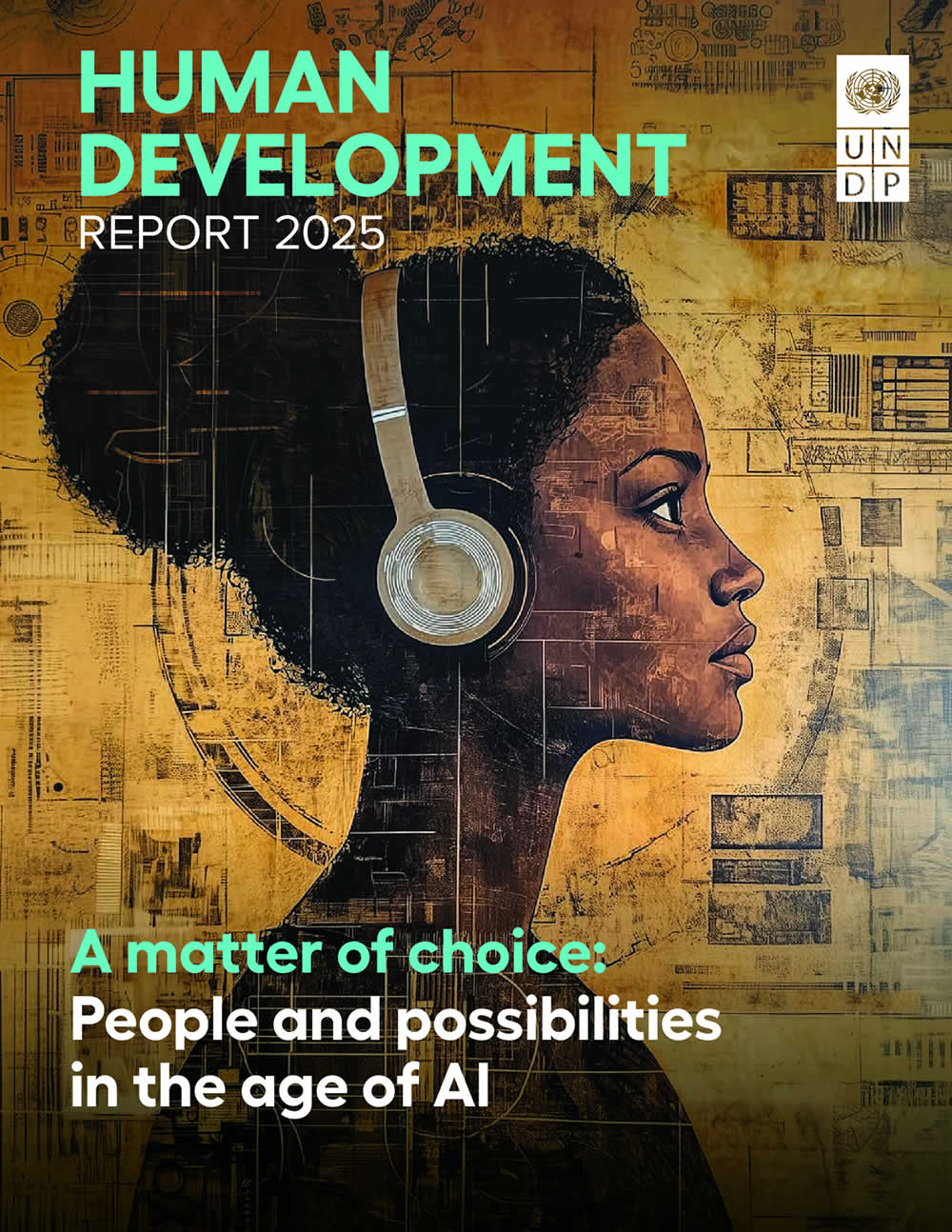
The Human Development Report itself changes shape every year too. It is not a repeated checklist like the SDG index. Each edition picks one large theme and explores it in depth. The 2025 report’s theme is artificial intelligence, asking what real choices people have as AI reshapes economies and societies. The HDI rankings sit inside that report as supporting data, not as its main argument.
Why RYB Tracks Both
A Culture of Peace is not just a list of completed targets. It is also a question of whether people’s freedom and capability are genuinely expanding, year after year, regardless of any deadline. The SDGs give RYB country pages a measurable, time-bound scoreboard. The HDI gives a longer, slower-moving picture of whether life is actually getting better for people in that country, by a much older and simpler definition of progress.
Together, they offer two honest answers to two different questions. Neither one alone tells the full story of a country’s development.
Looking Forward
Expect more questions like this one. Global development runs on more than seventeen goals and one index; dozens of frameworks, reports, and reviews sit underneath the numbers RYB cites on every country page. This post inaugurates a new category for exactly that purpose: short, direct answers to the questions visitors actually ask, building steadily into a reference any visitor can return to.