

UNESCO
United Nations Educational, Scientific and Cultural Organization
UNESCO builds peace through education, science, and culture. Founded in 1945, it now serves 194 member states. Its founding belief still guides its work today: peace must be built in people’s minds, not just through treaties.
UN
UNESCO’s Mission
UNESCO’s Constitution states its core idea plainly: “Since wars begin in the minds of men, it is in the minds of men that the defenses of peace must be constructed.”
Political and economic agreements alone cannot secure lasting peace. Peace also needs intellectual and moral solidarity between peoples. UNESCO pursues this through four main fields: education, science, culture, and communication.
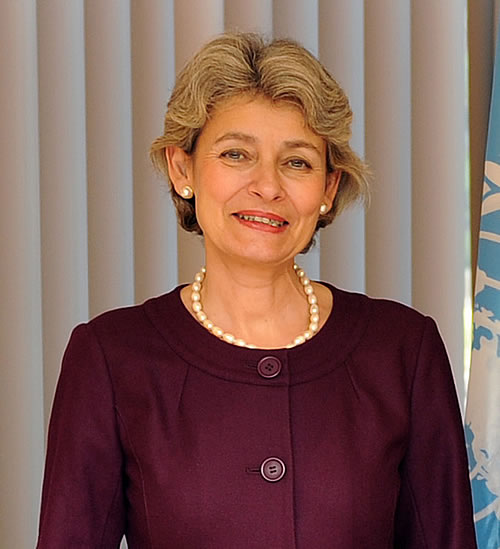
Irina Bokova, UNESCO’s Director-General from 2009 to 2017, summarized why culture matters for development: “Culture is essential to create a more sustainable development… through resilient infrastructures that are embedded in local situations.”
What UNESCO Actually Does
UNESCO’s work spans four connected areas.
Education comes first. UNESCO coordinates global education targets and pushes for equal access. It tracks progress through reports like Education for All. Free textbooks and more female teachers have measurably improved girls’ access to school in countries like India.
Science comes next. UNESCO supports international science cooperation and ocean research. It also sets ethical guidelines for new technologies, including AI.
Culture is UNESCO’s most visible field. It runs the World Heritage List, protecting historic and natural sites. It also leads the Culture of Peace programme, launched in 1992. The programme treats culture as a peacebuilding tool, not just a heritage concern.
Communication rounds out the mandate. UNESCO promotes press freedom and tracks misinformation. It also runs the UNESCO Institute for Statistics (UIS), the leading source for global data on education, science, and culture across 200+ countries and territories.
→ uis.unesco.org
Culture’s Missing Seat at the Table
Culture was left out of the Millennium Development Goals (2000–2015). Critics say this was a mistake. Development needs more than economic targets.
Three young girls in the Rajasthan Desert, India, share a tablet device.
Culture shapes how people transmit knowledge and identity. It helps drive innovation, resolve conflict, and reduce inequality. Without recognizing this role, the MDGs missed an important lever for change.
This gap shaped UNESCO’s later push for culture in the Sustainable Development Goals (SDGs) and post-2030 agenda. RYB’s SDG 18 page explores this campaign in depth.
UNESCO and the Culture of Peace
UNESCO’s most direct contribution to global peacebuilding is its Culture of Peace programme. Launched in 1992, it treats peace as something built actively through education and dialogue, not just the absence of war.
The programme expanded through the 1990s. It led to the UN’s 1999 Declaration and Programme of Action on a Culture of Peace. It also shaped MONDIACULT, UNESCO’s flagship conference on cultural policy, most recently held in Barcelona in 2025.
→ Read RYB’s full Culture and Peace timeline for the complete 80-year story.
RYB’s Place in This Picture
RYB treats UNESCO as the anchor agency in our Culture of Peace work. We track its programmes, its push for a Culture SDG, and its role in shaping a women-centred approach to peacebuilding through the WCP framework.
Looking Forward
UNESCO’s influence will likely grow, not shrink. The push for a dedicated Culture SDG has strong political backing after MONDIACULT 2025. If adopted, culture would stand alongside climate, health, and education as a measured global priority.
Sources
- UNESCO Constitution (1945) — unesco.org/en/legal-affairs/constitution
- UNESCO, About Us — unesco.org/en/about-us
- UNESCO Institute for Statistics — uis.unesco.org
- UNESCO Gender Equality in Education — uil.unesco.org/en/lifelong-learning/gender-equality
- Education for All 2000–2015: Achievements and Challenges, UNESCO — unesco.org/education-all-2000-2015-achievements-and-challenges