

NGOs: Non-Governmental Organizations
NGOs tackle poverty, health, and human rights worldwide — explore their types, funding, and biggest challenges.
Organizations
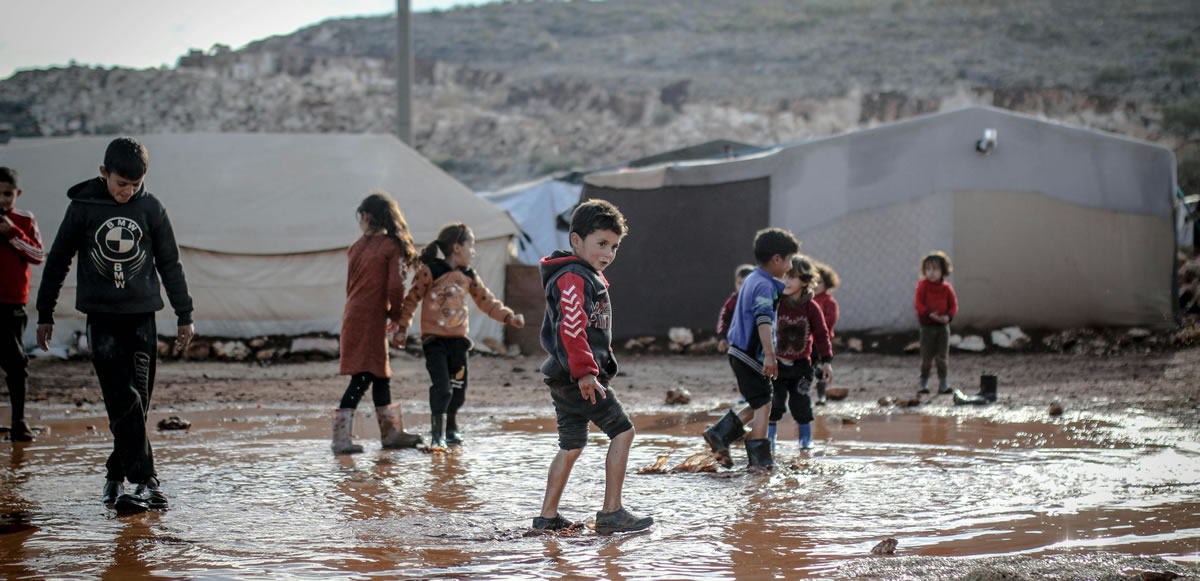
NGOs are independent, non-profit groups. They tackle social, environmental, and political problems. Roughly 40,000 NGOs operate worldwide today.
NGOs work outside government control. They advocate, deliver services, and hold others accountable. Groups like the Red Cross and Oxfam fill gaps that governments and markets leave open.
Six Types of NGOs
NGOs span many causes. Most fall into six broad categories.
Humanitarian and Emergency Relief groups respond to disasters and conflict. Doctors Without Borders is a leading example.
Environmental organizations focus on conservation and climate action. Greenpeace and WWF lead this space.
Human Rights groups defend civil rights and protect marginalized communities. Amnesty International is the best-known example.
Development NGOs work on poverty, education, and healthcare. CARE International operates across dozens of countries.
Cultural and Arts organizations protect heritage and support dialogue between cultures. Europa Nostra champions this work in Europe.
Peacebuilding groups mediate conflicts and build lasting peace. Search for Common Ground works in over 30 countries.
How NGOs Get Funded
NGO funding comes from six main sources.
Government and international bodies provide grants for specific projects. The UN and EU are major funders.
Private donations come from individuals, corporations, and foundations. The Gates Foundation is one of the largest.
Some NGOs run on membership fees, collecting dues from supporters.
Fundraising events — galas, marathons, crowdfunding — raise both money and awareness.
Business partnerships fund joint initiatives between NGOs and ethical companies.
Some NGOs sell merchandise or services, like training workshops, for added income.
Financial transparency matters most. Independent audits and public annual reports build donor trust.
Critical Assessment
NGOs face four recurring challenges.
Funding instability limits long-term planning. Many NGOs depend on short grant cycles rather than steady income.
Political restrictions block NGO work in some countries. Governments sometimes limit registration or activity.
Donor influence can shift an NGO’s mission. Funding tied to donor priorities may crowd out community needs.
Operational risk rises in conflict zones. Security threats and logistics complicate aid delivery on the ground.
The Global Impact of NGOs
NGOs shape international policy and fill critical gaps. They work at the grassroots level while still influencing global dialogue. This dual reach makes them central to peace, equity, and sustainable development.
RYB’s Place in This Picture
RYB is building this page into a full NGO directory over time. Future additions will profile individual organizations, much like our Data Organizations section already does.
Looking Forward
NGOs will keep filling gaps left by governments and markets. As funding tightens worldwide, transparency and donor diversification will matter more than ever for NGO survival.
Directories
- DPI/NGO, United Nations — outreach.un.org/ngorelations
- UNESCO NGO Directory — en.unesco.org/partnerships/non-governmental-organizations/list
- WANGO NGO Directory — wango.org/resources.aspx?section=ngodir
- Council of Europe, NGO Database — coe-ngo.org/#/ingos
- CONCORD European NGO Confederation — concordeurope.org/who-we-are/our-members
- Idealist — idealist.org
Sources
- IGO vs NGO: Difference, Similarities & Examples — ngoreport.org/igo-vs-ngo-difference-similarities-examples