


Since 2000 we have been publishing about the Creative Industries.
Our B2B publication europaregina.eu provides access to information for the international trade community. It’s a resource for designers, retailers, wholesalers and trade professionals. Our news includes trade data, international fashion week and trade show dates as well as information on global trends and lifestyle events.
europaregina.eu
Imagine walking through a fashion show where digital art meets traditional craftsmanship. Or streaming a film created by artists who collaborated across continents. This is the vibrant world of Cultural & Creative Industries. They transform ideas into economic value while celebrating human expression.
The sector stands at an exciting intersection. Here, artistic vision meets business acumen. Technology amplifies creative potential. Culture shapes economic opportunities. Together, they form one of the world’s fastest-growing economic sectors.
The terms “cultural industries” and “creative industries” often appear together. Yet they describe different dimensions of the same ecosystem.
Cultural industries focus on heritage and traditional creation forms. Think of museums preserving historical artifacts. Or theaters performing classical works. These industries produce goods and services with strong cultural and symbolic value.
Creative industries take a broader approach. They emphasize innovation and intellectual property creation. Design studios, advertising agencies, and video game developers exemplify this category. They generate profit and jobs through intellectual property.
The European Commission offers a helpful distinction. Cultural industries produce outputs with inherent cultural expressions. Their value lies in symbolic meaning. Creative industries use culture as input but deliver functional outputs.
Both categories overlap significantly in practice. A fashion designer draws on cultural heritage. They also create commercial products for global markets. This fusion characterizes modern creative economies.
The story of Cultural & Creative Industries as policy concept begins in Britain. Prime Minister Tony Blair made a bold prediction in 1997. He claimed creative sectors would surpass traditional industries. The problem? No data existed to prove his point.
This challenge sparked a measurement revolution. The UK Department for Culture, Media and Sport developed the first comprehensive framework. They defined creative industries as having origin in individual creativity, skill and talent with potential for wealth creation.
The United Nations soon recognized the sector’s potential. UNCTAD launched its first Creative Economy Report in 2008. UNESCO and UNDP followed with detailed studies. These reports established methodologies for measuring creative economy contributions.
A major milestone arrived in 2019. The UN General Assembly declared 2021 the International Year of Creative Economy for Sustainable Development. This recognized the creative economy as a powerful force for good, livelihoods, and social cohesion. UNCTAD took the lead in implementation.
The recognition came at a crucial time. The COVID-19 pandemic hit creative sectors hard. Yet it also demonstrated creativity’s essential role in human wellbeing. People found solace in music, films, and digital art during lockdowns.
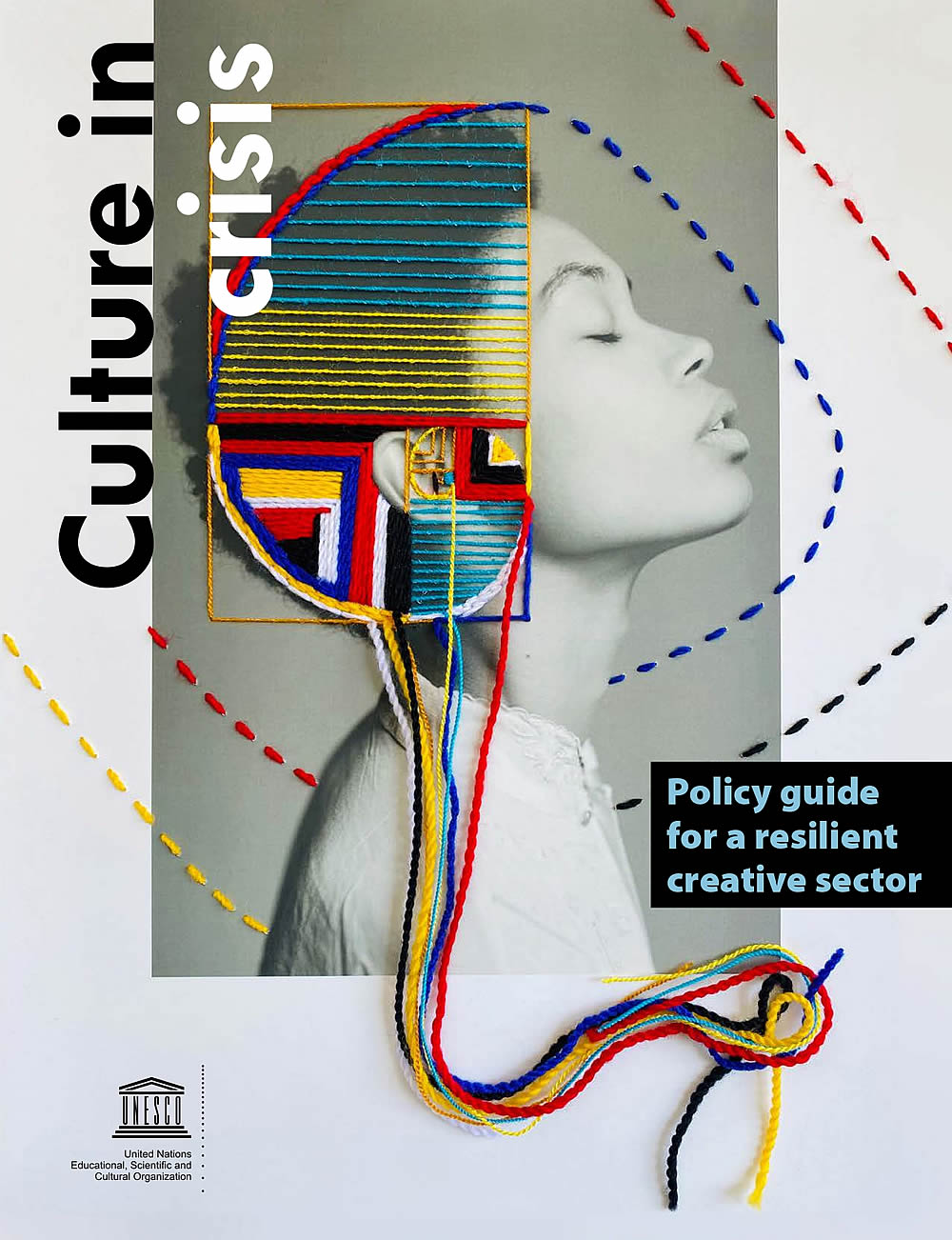
The numbers tell a compelling story. Creative industries contribute significantly to worldwide prosperity.
The sector generates $2,250 billion annually and provides more jobs to workers aged 18-25 than any other field. This makes it especially vital for youth employment.
Recent data reveals impressive growth patterns. Creative services exports surged by 29% to $1.4 trillion in 2022, while creative goods exports increased by 19% to $713 billion. Services now dominate this trade landscape.
The sector’s contribution varies by country. UNCTAD’s global survey reveals contributions ranging from 0.5% to 7.3% of GDP and employing between 0.5% to 12.5% of the workforce. Even these ranges show substantial economic impact.
Market forecasts project continued expansion. The global creative industries market, valued at $2,903 billion in 2024, is projected to reach $4,419 billion by 2034 at a 4.29% growth rate.
Europe demonstrates the sector’s importance. Cultural and creative industries represent approximately 3.95% of EU value added and employ around 8 million people. Over 99% of firms are small and medium enterprises.
Trade patterns reveal interesting dynamics. Developing countries primarily export creative goods. Developed nations dominate creative services. However, developing countries’ share of global creative services exports grew from 10% in 2010 to 20% in 2022.
Digital transformation drives profound changes across creative sectors. Artificial intelligence stands at the forefront of this revolution.
The adoption rate accelerates rapidly. Over 80% of creative professionals have integrated AI tools into their workflows, with US-based creatives leading at 87% adoption. This represents a fundamental shift in working methods.
AI applications span multiple domains. It generates scripts, movies, news articles, music, images, captions, animations and virtual reality content while improving post-production workflows. The technology also analyzes user data to optimize content delivery.
Streaming services exemplify digital dominance. They expanded their share of the global music market by 10.4% year-on-year and now account for 67.3% of global music revenue streams. This reshapes how artists reach audiences.
Benefits extend beyond efficiency. Digital tools lower entry barriers for creators. Individual artists access global markets without traditional gatekeepers. Over 55% of content is now distributed via digital platforms, and 46% of global marketing budgets are spent on creative content.
Yet challenges emerge alongside opportunities. Copyright concerns grow as AI trains on existing works. Artists question whether their creations are used without consent. Quality control becomes crucial when AI generates content rapidly.
The newsroom provides one example. 41% of news teams employ AI to create illustrative art, 39% for social media content, and 38% for writing and generating articles. This raises questions about journalism’s future and authenticity.
Hollywood experienced these tensions directly. Writers and actors struck in 2023 over AI protections. They sought safeguards against digital replacement. The negotiations highlighted workers’ fears about technological displacement.
Recent research offers nuanced insights. AI products were more labour intensive than traditional media products because they combined traditional production skills and new computational expertise. This suggests AI augments rather than simply replaces human work.
The successful path forward balances innovation with human creativity. The creative industries must balance human ingenuity and collaborative efforts with generative artificial intelligence. Technology serves as tool, not replacement.
Fashion demonstrates the sector’s complexity beautifully. Europa Regina tracks fashion weeks worldwide. From Paris to Lagos, these events showcase cultural expression meeting commercial opportunity. Designers reference heritage while embracing new materials and production methods.
Trade shows connect creators with markets. Art Basel brings galleries and collectors together. Intertextile Shanghai reveals fabric innovations. These platforms facilitate the exchange driving industry growth.
Architecture blends aesthetic vision with functional necessity. Virtual reality now allows clients to walk through unbuilt spaces. AI assists with design optimization. Yet human creativity remains central to spatial imagination.
Publishing undergoes dramatic transformation. E-books and audiobooks expand access to literature. Self-publishing platforms democratize authorship. Traditional publishers adapt by offering digital-first strategies while maintaining quality curation.
Video games emerge as cultural powerhouses. They combine storytelling, visual art, music, and interactive design. The industry generates billions annually. Cross-industry collaborations blur boundaries as games promote music and films.
Environmental consciousness reshapes creative practices. The industry recognizes its responsibility.
Coldplay’s recent global tour cut CO2 emissions by 50%, showcasing efforts to reduce the environmental impact of large-scale events. This sets a precedent for live entertainment.
Governments integrate sustainability into policy. Twelve out of 36 countries surveyed have specific initiatives for creative industries, while another twelve promote sustainable business practices. These include sustainable design and circular economy practices.
Fashion faces particular scrutiny. Fast fashion’s environmental costs drive demand for alternatives. Designers explore eco-friendly materials. Brands adopt transparent supply chains. Consumers increasingly value sustainable choices.
Social inclusion gains priority alongside environmental goals. Policies target increased participation of women, youth, and disadvantaged groups. Creative industries offer pathways to economic participation for marginalized communities.
The Cultural & Creative Industries stand at a pivotal moment. Technology opens unprecedented possibilities. Global connectivity enables collaboration across borders. Audiences grow more diverse and engaged.
Yet challenges demand attention. Fair compensation for creators remains contested. Intellectual property protection must evolve with digital realities. Environmental sustainability requires continued commitment.
The sector’s resilience proved remarkable during the pandemic. Creative services declined only 1.8% in 2020. Other service sectors fell 20%. This demonstrates both essential value and adaptability.
Future success depends on balancing multiple priorities. Innovation must respect human creativity. Technology should empower rather than displace workers. Growth must align with environmental limits. Cultural diversity enriches the entire ecosystem.
Education plays a crucial role. Future creators need both artistic skills and technological literacy. Business acumen helps artists sustain careers. Understanding global markets enables local creators to reach worldwide audiences.
Policy support remains essential. Governments can facilitate access to finance. Infrastructure investments enable creative ventures. Regulatory frameworks protect rights while encouraging innovation.
The journey continues at the crossroads where arts meet business, culture encounters technology, and creativity drives economic value. This dynamic sector shapes not just economies but societies themselves. It preserves heritage while imagining futures. It provides livelihoods while enriching human experience.
As we advance, the Cultural & Creative Industries will continue evolving. They will respond to technological change. They will address environmental imperatives. Most importantly, they will keep celebrating the boundless potential of human creativity.
