Blue
People
The Psychology of Self-Empowerment, the Power Within

Origins: Ancient Roots of Empowerment
Self-empowerment isn’t new. Ancient civilizations understood its profound importance. Therefore, they developed practices that still resonate today.
Eastern Philosophies
Buddhism emphasized self-mastery over 2,500 years ago. Buddha taught that enlightenment comes from within. Similarly, Hindu philosophy promoted atman, the divine self.
Confucius in China advocated self-cultivation. He believed personal development creates social harmony. Additionally, Taoism encouraged aligning with one’s authentic nature.
Western Traditions
Ancient Greek philosophy championed “know thyself.” Socrates insisted self-awareness precedes wisdom. Meanwhile, Stoics like Marcus Aurelius taught inner strength conquers external circumstances.
Roman philosophers emphasized virtus, meaning personal excellence and courage. Subsequently, these ideas influenced Western thought for centuries.
Indigenous Wisdom
Native cultures worldwide honored individual power. Indigenous traditions emphasized connecting with one’s spirit. Moreover, they taught that personal strength serves the community.
African Ubuntu philosophy states “I am because we are.” This perspective balances individual empowerment with collective responsibility. Indeed, it remains relevant today.
Historical Evolution: From Enlightenment to Modern Times
Self-empowerment gained momentum during the Enlightenment. Philosophers championed individual rights and human potential. Consequently, new movements emerged across centuries.
The 18th and 19th Centuries
The Enlightenment celebrated reason and individual capability. Thinkers like John Locke emphasized natural rights. Furthermore, the American and French Revolutions embodied these principles.
Transcendentalists like Ralph Waldo Emerson promoted self-reliance. His 1841 essay “Self-Reliance” became foundational. Similarly, Henry David Thoreau advocated authentic living.
The women’s rights movement began asserting female empowerment. Mary Wollstonecraft’s writings challenged gender limitations. Subsequently, suffragettes fought for political power worldwide.
The 20th Century
Psychology emerged as a science of human potential. William James explored consciousness and self-improvement. Later, humanistic psychology transformed our understanding.
Abraham Maslow introduced the hierarchy of needs in 1943. His concept of self-actualization became central to empowerment. Moreover, he studied exceptionally healthy, creative individuals.
Carl Rogers developed person-centered therapy in the 1950s. He believed people possess inherent growth potential. Therefore, his approach emphasized unconditional positive regard.
The civil rights movement exemplified collective empowerment. Leaders like Martin Luther King Jr. inspired millions. Meanwhile, Malcolm X advocated self-determination and dignity.
Betty Friedan‘s 1963 book sparked second-wave feminism. She challenged women to claim their full potential. Additionally, Gloria Steinem became a prominent voice for empowerment.
The human potential movement flourished in the 1960s-70s. Esalen Institute promoted personal growth workshops. Furthermore, encounter groups encouraged authentic self-expression.
Late 20th Century to Present
Stephen Covey‘s “The 7 Habits of Highly Effective People” (1989) became transformative. His principle-centered approach influenced millions worldwide. Similarly, leadership development programs proliferated.
Brené Brown revolutionized empowerment through vulnerability research. Her work shows courage requires embracing imperfection. Moreover, her TED talks reached global audiences.
Malala Yousafzai embodied youth empowerment after surviving assassination. She advocates fiercely for girls’ education. Consequently, she received the Nobel Peace Prize at 17.
Digital technology democratized access to empowerment resources. Online communities provide support and inspiration. Therefore, movements like #MeToo spread rapidly worldwide.
The Psychology of Self-Empowerment
Understanding empowerment’s psychological foundations helps us cultivate it. Research reveals specific processes and benefits. Additionally, science validates ancient wisdom.
Core Psychological Concepts
Self-efficacy forms empowerment’s foundation. Psychologist Albert Bandura defined it as belief in one’s capabilities. Higher self-efficacy predicts greater achievement and resilience.
Locus of control determines how we perceive power. Internal locus means believing you control outcomes. Conversely, external locus attributes results to outside forces.
Growth mindset, discovered by Carol Dweck, transforms empowerment. Believing abilities can develop encourages persistence. In contrast, fixed mindset limits potential.
Self-determination theory identifies three core needs: autonomy, competence, and relatedness. Fulfilling these creates intrinsic motivation. Therefore, people feel genuinely empowered.
Neuroplasticity and Change
Brain science reveals our remarkable capacity for growth. Neuroplasticity means brains reorganize throughout life. Thus, empowerment literally rewires neural pathways.
Positive psychology, pioneered by Martin Seligman, studies human flourishing. Research shows optimism, gratitude, and strengths-focus boost wellbeing. Moreover, these practices enhance empowerment.
Mindfulness meditation strengthens self-awareness and emotional regulation. Studies demonstrate measurable brain changes from practice. Furthermore, it reduces stress and increases clarity.
Overcoming Barriers
Learned helplessness sabotages empowerment. Seligman’s research showed how repeated failure creates passivity. However, interventions can reverse this pattern.
Negative self-talk undermines confidence. Cognitive-behavioral therapy (CBT) addresses distorted thinking. Therefore, reframing thoughts strengthens empowerment.
Trauma and adverse experiences impact self-perception. Trauma-informed approaches recognize these effects. Additionally, healing creates space for empowerment.
Nutrition and Physical Wellbeing
Physical health profoundly influences empowerment. Consequently, nourishing the body supports mental strength. Let’s explore this vital connection.
The Gut-Brain Connection
Research reveals the gut-brain axis affects mood and cognition. A healthy microbiome supports mental clarity. Therefore, nutrition directly impacts empowerment.
Processed foods create inflammation and energy crashes. Conversely, whole foods provide sustained energy. Moreover, they support optimal brain function.
Empowering Foods
Omega-3 fatty acids support brain health and mood stability. Sources include salmon, walnuts, and flaxseeds. Additionally, they reduce inflammation throughout the body.
Complex carbohydrates provide steady glucose for mental energy. Whole grains, legumes, and vegetables stabilize blood sugar. Furthermore, they support sustained focus.
Lean proteins supply amino acids for neurotransmitter production. These chemical messengers regulate mood and motivation. Therefore, adequate protein supports empowerment.
Colorful vegetables and fruits contain antioxidants protecting brain cells. Berries, leafy greens, and cruciferous vegetables are especially beneficial. Moreover, they provide essential vitamins and minerals.
Fermented foods like yogurt, kimchi, and sauerkraut support gut health. They provide beneficial probiotics. Consequently, they may enhance mental wellbeing.
Hydration and Movement
Water is essential for cognitive function. Even mild dehydration impairs focus and mood. Therefore, staying hydrated supports empowerment.
Physical activity releases endorphins and reduces stress hormones. Exercise improves sleep, self-image, and energy. Additionally, it enhances neuroplasticity and learning.
Mindful Eating
Eating with awareness connects us to our bodies. This practice honors hunger and fullness cues. Furthermore, it transforms our relationship with food.
Avoiding restrictive dieting promotes body acceptance. Diet culture often undermines self-worth. Instead, intuitive eating fosters empowerment and peace.
Current Trends in Self-Empowerment
Contemporary movements continue evolving empowerment practices. Technology and research create new possibilities. Moreover, global connectivity spreads ideas rapidly.
Digital Empowerment
Online learning platforms democratize skill development. Sites like Coursera and Khan Academy offer free education. Therefore, knowledge becomes accessible worldwide.
Social media enables personal brand building. Individuals share expertise and inspiration globally. However, mindful use prevents comparison and overwhelm.
Apps support meditation, fitness, and habit tracking. Technology facilitates consistent self-improvement practices. Additionally, virtual communities provide accountability and support.
Workplace Empowerment
Employee empowerment transforms organizational culture. Companies recognize engaged workers drive innovation. Consequently, participatory management approaches spread.
Remote work offers autonomy and flexibility. People control their schedules and environments. Furthermore, this trend accelerated during the pandemic.
Professional coaching helps individuals reach career goals. The International Coaching Federation reports exponential industry growth. Moreover, coaching enhances leadership and performance.
Wellness Movement
Holistic wellness integrates physical, mental, and spiritual health. Yoga studios, meditation centers, and wellness retreats proliferate. Additionally, corporate wellness programs expand.
Mental health awareness reduces stigma around seeking support. Therapy becomes normalized as self-care. Therefore, more people access professional help.
Biohacking optimizes health through science-based interventions. Practitioners track biomarkers and experiment with protocols. However, evidence-based approaches remain important.
Social Justice and Empowerment
Intersectionality, coined by Kimberlé Crenshaw, recognizes overlapping identities. Empowerment movements address systemic barriers. Moreover, they promote equity and inclusion.
Community organizing empowers collective action for change. Grassroots movements address local and global issues. Furthermore, they demonstrate power in unity.
Youth activism shows emerging generations claiming their voice. Figures like Greta Thunberg mobilize millions for climate action. Indeed, young people lead transformative movements.
How Empowered People Sparkle and Shine
Empowered individuals radiate positive energy. Their confidence and authenticity inspire others. Moreover, their impact extends far beyond themselves.

How Empowered People Sparkle and Shine
Empowered individuals radiate positive energy. Their confidence and authenticity inspire others. Moreover, their impact extends far beyond themselves.
Personal Transformation
Empowered people embrace authenticity. They align actions with values and passions. Consequently, they experience deep fulfillment.
They set healthy boundaries respecting their needs. This self-respect creates balanced relationships. Furthermore, it prevents burnout and resentment.
Resilience helps them navigate challenges. They view setbacks as growth opportunities. Therefore, obstacles become stepping stones.
Self-compassion replaces harsh self-criticism. They treat themselves with kindness during difficulties. Additionally, this practice enhances wellbeing and motivation.
Impact on Family
Empowered parents model healthy behavior for children. Kids learn self-worth and possibility thinking. Moreover, they develop confidence and independence.
Family communication improves through emotional intelligence. Members express needs and feelings constructively. Consequently, relationships deepen and conflicts resolve effectively.
Breaking generational patterns becomes possible. Empowered individuals heal and create new legacies. Therefore, they transform family dynamics.
Supportive environments allow everyone to flourish. Each person’s growth enhances the whole family. Indeed, empowerment multiplies through relationships.
Community Influence
Empowered individuals volunteer and contribute actively. They invest time and talents locally. Furthermore, they strengthen community bonds.
Mentorship passes empowerment to others. Experienced people guide those beginning their journey. This generosity creates lasting impact.
Local leadership emerges from empowered community members. They organize initiatives addressing neighborhood needs. Moreover, they mobilize collective action effectively.
Positive role models inspire surrounding people. Their example demonstrates what’s possible. Consequently, empowerment spreads organically through communities.
Societal Change
Social entrepreneurs create businesses solving global problems. Organizations like Ashoka support these changemakers. Additionally, impact investing funds empowerment-focused ventures.
Advocacy movements challenge unjust systems. Empowered voices demand accountability and reform. Therefore, societies progress toward greater equity.
Educational initiatives expand access to empowerment resources. Nonprofits provide training in underserved areas. Moreover, they address systemic barriers to opportunity.
Cultural shifts reflect widespread empowerment values. Conversations about mental health, diversity, and authenticity normalize. Indeed, collective consciousness evolves.
Key Organizations Promoting Empowerment
Numerous organizations dedicate themselves to fostering empowerment. These groups provide resources, training, and community. Moreover, they create systemic change.
Global Nonprofits
UN Women advances gender equality and women’s empowerment worldwide. Their programs address education, economic participation, and violence. Furthermore, they advocate for policy changes.
Ashoka identifies and supports social entrepreneurs globally. Since 1980, they’ve elected over 3,500 fellows. Additionally, they cultivate empathy and changemaking skills.
Acumen invests in social enterprises serving the poor. Their model combines philanthropy with business approaches. Moreover, they develop leaders through fellowship programs.
Regional and Specialized Organizations
Girls Who Code empowers young women in technology. Founded by Reshma Saujani, it addresses gender gaps. Therefore, girls gain confidence in STEM fields.
The Tony Robbins Foundation provides resources for empowerment. Programs address hunger, homelessness, and youth development. Additionally, leadership trainings reach millions.
Landmark Worldwide offers transformational education programs. Their courses explore possibility and personal power. Moreover, participants report significant life improvements.
The Empowerment Institute provides tools for sustainable living. Founded by David Gershon, it facilitates behavior change. Furthermore, programs build community resilience.
Mental Health and Wellbeing
The Jed Foundation protects emotional health of teens and young adults. They provide resources and promote systemic change. Additionally, they reduce suicide and mental distress.
National Alliance on Mental Illness (NAMI) offers support and education. They empower individuals and families affected by mental illness. Moreover, they advocate for better policies.
Headspace and Calm democratize meditation through apps. Millions access mindfulness training affordably. Therefore, mental wellness tools reach broader audiences.

Practical Steps to Empower Yourself
Understanding empowerment theory matters. However, application transforms lives. Therefore, consider these practical strategies.
Cultivate Self-Awareness
Journaling helps process thoughts and emotions. Regular reflection increases clarity. Moreover, it tracks growth over time.
Meditation develops present-moment awareness. Even brief daily practice yields benefits. Furthermore, it creates mental space for insight.
Seek feedback from trusted people. Outside perspectives reveal blind spots. Additionally, they affirm strengths you might overlook.
Develop Skills and Knowledge
Identify areas for growth aligned with goals. Take courses, read books, or find mentors. Therefore, expand your capabilities systematically.
Practice consistently rather than seeking perfection. Small, regular efforts compound over time. Moreover, progress reinforces confidence.
Celebrate learning from mistakes. Failures provide valuable information. Indeed, they’re essential for mastery.
Build Supportive Relationships
Surround yourself with encouraging people. Relationships profoundly impact beliefs and behavior. Consequently, choose connections wisely.
Communicate needs and boundaries clearly. Healthy relationships require mutual respect. Furthermore, authenticity deepens connections.
Contribute to others’ growth and wellbeing. Generosity creates positive cycles. Additionally, helping others reinforces your own empowerment.
Take Meaningful Action
Set goals reflecting your values and vision. Write them down and review regularly. Therefore, intentions translate into reality.
Break large goals into manageable steps. Small wins build momentum. Moreover, they prevent overwhelm.
Create accountability through sharing goals. Tell trusted friends or join groups. Furthermore, tracking progress maintains motivation.
Practice Self-Care
Prioritize sleep, nutrition, and movement. Physical health supports mental empowerment. Therefore, honor your body’s needs.
Engage in activities bringing joy. Play and creativity replenish energy. Moreover, they connect you with authentic self.
Set boundaries around time and energy. Saying no protects your wellbeing. Indeed, selective commitment enables deeper engagement.
Looking Forward
The future of self-empowerment looks bright. Technology will continue expanding access to resources. Moreover, scientific understanding deepens constantly.
Emerging Possibilities
Artificial intelligence may provide personalized empowerment coaching. Algorithms could tailor interventions to individual needs. However, human connection remains irreplaceable.
Virtual reality might offer immersive skill-building experiences. People could practice scenarios safely. Furthermore, it might accelerate confidence development.
Neuroscience advances will reveal more about change mechanisms. Understanding brain processes improves intervention effectiveness. Therefore, empowerment practices become more powerful.
Ongoing Challenges
Digital divides still limit access for many. Economic and geographic barriers persist. Consequently, equity requires continued attention.
Information overload can overwhelm rather than empower. Discernment becomes increasingly important. Moreover, quality matters more than quantity.
Systemic inequities still constrain individual empowerment. While personal growth matters, structural change remains essential. Therefore, both levels require attention.
A Call to Action
Your empowerment matters profoundly. It affects you, your loved ones, and beyond. Moreover, the world needs your unique gifts.
Start where you are with available resources. Small steps create significant change. Furthermore, your journey inspires others.
Remember that empowerment isn’t selfish. It equips you to serve more effectively. Indeed, your light helps others find theirs.
The time to begin is now. Trust yourself and take that first step. Therefore, you’ll sparkle, shine, and transform the world.
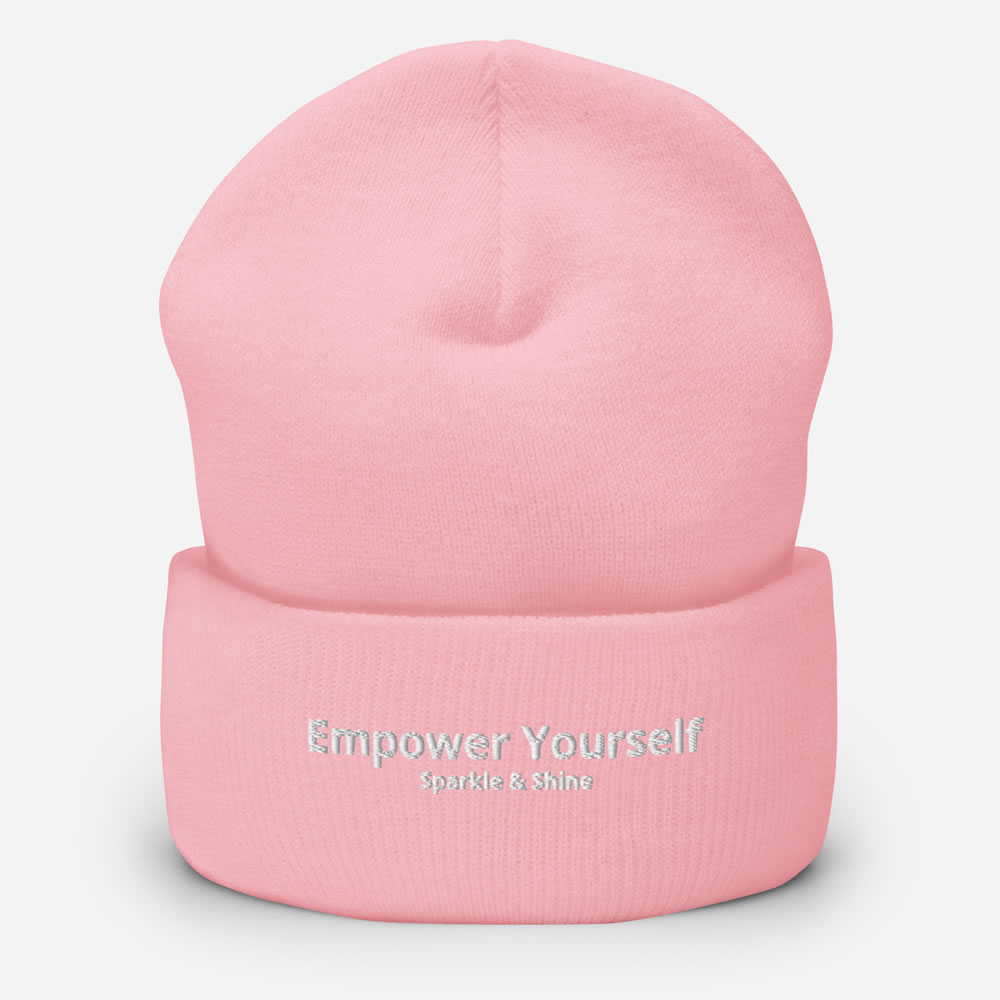
Empower Yourself — Sparkle & Shine beanie
Spread good energy. Sparkle & Shine.